
Nasal Bone Fracture
Common nasal bone fracture symptoms include:
How to tell if I have broken my nose
- Nose pain
- Crooked nose
- Swelling on the outside or bridge of the nose
- Bleeding from inside or outside the nose
- Difficulty breathing through the nose
- Bruising around the eyes
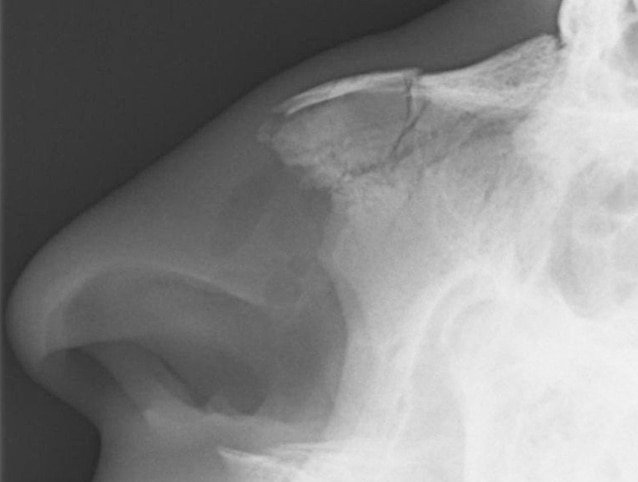
What to Do if You Have a Nasal Fracture
After a nasal fracture, seek out medical care immediately. Follow all of your healthcare provider’s instructions and routinely apply ice on and off for 72 hours, then apply heat for bruising. After four to five days, if the nose is still crooked because of bone displacement, then they are likely a good candidate for a fractured nose repair. This is typically done within seven to 10 days but not longer than 10 days. If cartilage has been dislodged (upper lateral cartilage is the most commonly dislodged), that cannot be repaired until six to 12 months later.
What Is Nasal Fracture Reduction?
Nasal fracture reduction is used to treat acute nasal fractures. It involves realignment of nasal bones and cartilage to help patients breathe comfortably through the nose.
Manual realignment is often used for nasal fracture reduction under anaesthesia. Realignment of displaced bones and cartilage typically needs to be done within 14 days of when a patient experiences a broken nose.
During a nasal fracture reduction procedure, a patient receives medication via injection or nasal spray. Their nostrils are then opened with a nasal speculum (instrument used to widen the nostrils). Next, any broken bones and cartilage are realigned to ensure that the nose functions correctly.
Frequently Asked Questions (FAQ’s)
What are the signs of a nasal bone fracture?
A nasal bone fracture often presents with:
Pain and tenderness in the nose area.
Swelling around the nose and eyes.
Bruising, particularly under the eyes.
Bleeding from the nose.
Difficulty breathing through one or both nostrils.
Crooked or misshapen appearance of the nose.
If you experience any of these symptoms following an injury, it’s important to seek medical attention promptly.
What should you do immediately after a nasal fracture?
If you suspect a nasal fracture:
Apply ice packs to the nose and surrounding area to reduce swelling.
Keep your head elevated, especially when sleeping, to minimize swelling.
Avoid blowing your nose to prevent further injury.
Seek medical care as soon as possible to assess the severity and determine appropriate treatment.
How is a nasal bone fracture treated?
Treatment depends on the severity of the fracture:
Minor fractures may be managed with conservative measures such as ice application, pain relievers, and nasal decongestants.
Moderate to severe fractures may require nasal fracture reduction, a procedure to realign the nasal bones and cartilage. This is typically performed within 7 to 10 days after the injury to ensure proper healing.
Displaced cartilage, particularly the upper lateral cartilage, may require repair after 6 to 12 months, as early intervention could lead to complications.
What is nasal fracture reduction?
Nasal fracture reduction is a procedure to realign displaced nasal bones and cartilage, restoring normal function and appearance. It is performed under local anesthesia, where the nostrils are widened, and the bones and cartilage are manually repositioned to their proper alignment.
What is the recovery process after treatment?
Post-treatment recovery includes:
Swelling and bruising may persist for several days to weeks.
Pain management with prescribed medications.
Avoidance of strenuous activities to prevent re-injury.
Follow-up appointments to monitor healing and address any concerns.
When should you seek medical attention?
You should consult a healthcare provider if:
Bleeding from the nose doesn’t stop.
Clear fluid drains from the nose, which could indicate a cerebrospinal fluid leak.
Severe pain, headaches, or vision changes occur.
Nasal deformity persists after initial swelling subsides.
Can a nasal fracture lead to complications?
Yes, if left untreated or improperly managed, complications can arise, including:
Septal hematoma, leading to perforation or collapse of the nasal septum.
Saddle nose deformity, where the bridge of the nose collapses.
Chronic breathing difficulties due to structural changes.
How can you prevent nasal bone fractures?
Preventive measures include:
Wearing protective gear during sports and physical activities.
Using seat belts in vehicles to reduce impact during accidents.
Avoiding physical altercations to minimize the risk of trauma.